When a child’s behavior feels like a riddle wrapped in a mystery, parents often find themselves on a quest for answers. The journey typically starts with a question: Is this a developmental difference, or is something else going on? That question leads to the first stop on many families’ road trip: autism diagnosis and behavioral health services. This article will map that route, breaking down the process, the services that can help, and how to choose the right team—without getting lost in medical jargon or feeling like you’re stuck in traffic.
The Road to Diagnosis
Why Early Identification Matters
Imagine a garden that needs regular watering. If you wait until the plants are wilted, it’s harder to revive them. The same principle applies to developmental concerns. Early diagnosis of autism can unlock a world of targeted support, improving communication, social skills, and overall quality of life. But what does the diagnostic process actually look like?
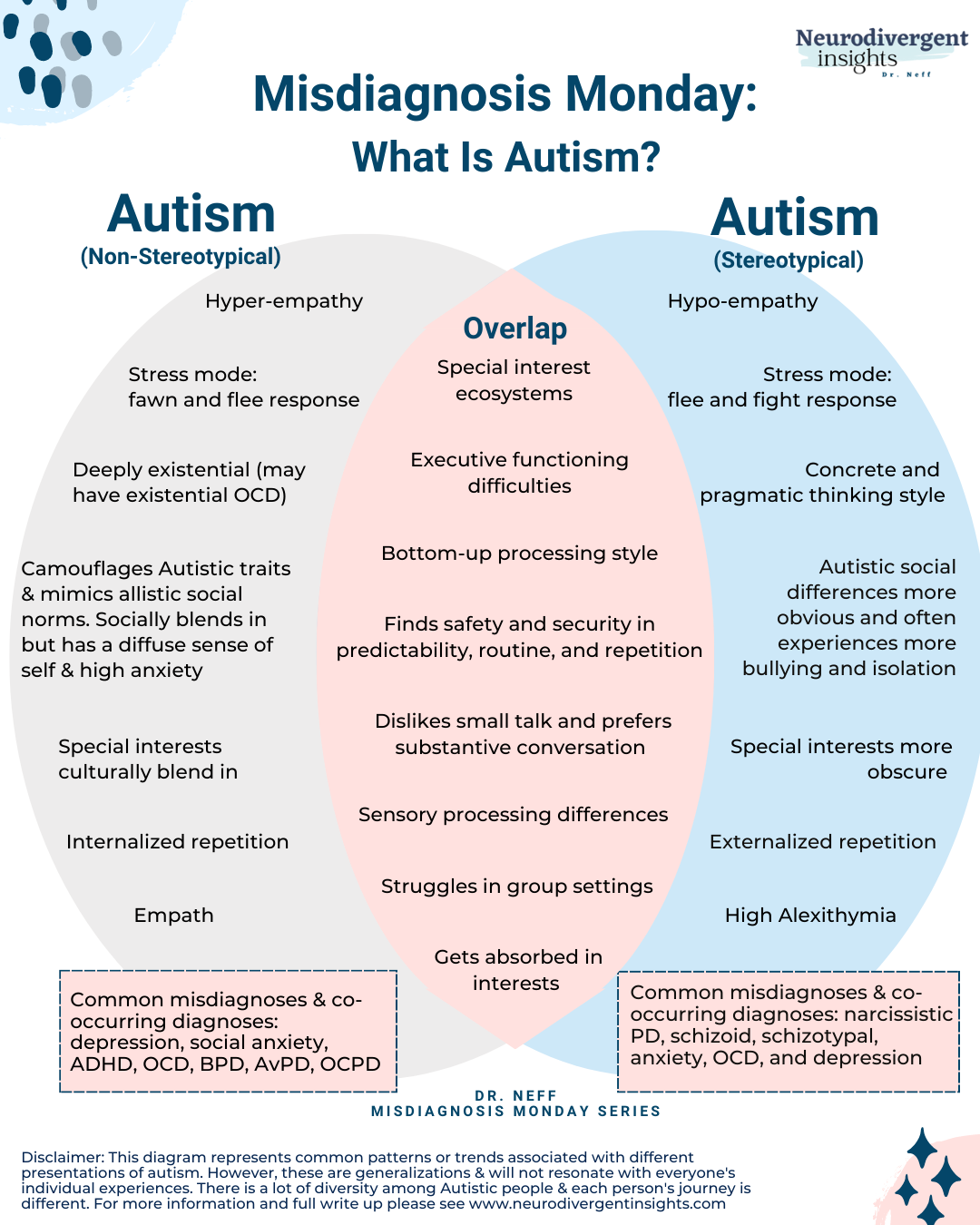
- Observational assessments: Specialists watch how a child interacts, responds to stimuli, and uses language. Developmental history interviews: Parents share milestones, sleep patterns, and sensory sensitivities. Standardized tools: Instruments like the ADOS (Autism Diagnostic Observation Schedule) and the ADI-R (Autism Diagnostic Interview-Revised) help clinicians quantify behaviors.
These steps may feel like a maze, but they’re designed to ensure accuracy. A misdiagnosis can lead to missed opportunities, just as a wrong turn can derail a road trip.
Common Misconceptions
- “Autism is a single diagnosis.” In reality, autism is a spectrum, meaning each person’s profile is unique—much like a fingerprint. “If my child isn’t on a special‑education plan, they don’t need services.” Many families find that early intervention services, even outside school, can make a significant difference.
Behavioral Health Services: The Toolbox
Once a diagnosis is confirmed, the next question is: What services can help? Behavioral health services encompass a range of therapies and supports tailored to each individual's needs.
Applied Behavior Analysis (ABA)
ABA is often the first line of intervention. Think of it as a recipe: it blends data collection, reinforcement, and skill-building to create meaningful change. Key features include:
- Individualized goal setting Positive reinforcement Data-driven adjustments
ABA has a strong evidence base, but it’s not a one‑size‑fits‑all solution. Some families prefer alternative approaches, which leads us to the next section.

Speech and Language Therapy
Communication challenges can feel like trying to decode a secret language. Speech therapists help decode that language, providing tools for:
- Expressive and receptive language Social pragmatics Augmentative communication devices
Occupational Therapy (OT)
OT is the bridge between daily life and Unusual reactions to sounds sensory processing. Occupational therapists help children navigate:
- Sensory integration (e.g., managing noise or touch sensitivity) Fine motor skills (writing, buttoning) Daily living skills (self‑care, organization)
Social Skills Groups
Sometimes the most effective therapy happens in a group setting. Social skills groups create a safe environment to practice:
- Conversation starters Reading non‑verbal cues Cooperative play
These groups can also be a social safety net for parents, connecting them with others facing similar challenges.
Choosing the Right Team
Questions to Ask
- What is the therapist’s experience with autism spectrum disorders? Do they use a data‑driven approach? How do they involve families in goal setting?
A good therapist will answer these questions transparently and will see the family as partners, not just clients.
Credentials and Licensing
- Licensed Clinical Social Worker (LCSW) Licensed Professional Counselor (LPC) Certified Behavior Analyst (BCBA)
Look for credentials that match the service you need. For example, a BCBA is essential for ABA, while an LCSW may be better suited for family counseling.
Cost and Insurance
Insurance coverage can be a maze of its own. Here’s a quick checklist:
- Verify if your plan covers ABA or OT. Ask about prior authorization requirements. Inquire about out‑of‑pocket costs and potential financial assistance programs.
Anecdote: The “Lost in Translation” Moment
Last year, a mother named Maya found herself in a waiting room, surrounded by strangers who all seemed to speak a different language. She realized she was in the middle of a diagnostic assessment, and the only thing she understood was that her son was “different.” She later described the moment as a “lost in translation” experience, but it turned into a turning point. By the end of the session, she had a clear plan and a team ready to help her son thrive. This story reminds us that the path may start with confusion, but clarity can follow.
The Bigger Picture: Family Well‑Being
A diagnosis and services for a child don’t exist in isolation. The family’s mental health is equally important. Here are a few strategies:
- Seek family counseling to process emotions. Join support groups for parents—real or virtual—to share tips and relief. Practice self‑care: Even a five‑minute walk can reset your mental bandwidth.
Quote to Keep in Mind
> “The greatest gift you can give your child is a healthy, happy family environment.” – Anonymous
This quote captures the essence of why family well‑being matters in the context of autism diagnosis and behavioral health services.
Making Your Selection Count
Choosing the right behavioral health services is like picking the best route for a road trip. You want a path that’s safe, efficient, and leads to a rewarding destination. Here’s a quick cheat sheet:
- Define your goals: What skills do you want to see improved? Research providers: Look at reviews, credentials, and approach. Schedule a consultation: Ask the questions above and gauge comfort level. Monitor progress: Regularly review data and adjust as needed.
Remember, the journey doesn’t end with a diagnosis. It’s an ongoing adventure where the destination https://telegra.ph/Finding-Professional-Support-for-Autistic-Mothers-A-Guide-to-Navigating-Resources-11-28 is a life lived with confidence and connection.
Take the Next Step
If you’re feeling ready to explore autism diagnosis and behavioral health services, start by reaching out to a local pediatrician or developmental specialist. They can guide you toward reputable providers and help you understand insurance options. Remember, you’re not alone—there’s a whole community of families and professionals ready to support you on this path. Take that first step, and let the journey begin.