When a toddler’s world feels like a whirlwind of noise, textures, and sudden emotions, it can be hard to tell if that is simply a phase or a clue that something deeper is happening. Parents often notice that their little one struggles to calm down after a tantrum, or that a simple change in routine throws them into a state of panic. These are not just “typical toddler moments”; they may be part of autism early signs in toddlers who have difficulty with self‑regulation. In this article we’ll unpack what self‑regulation means, how it develops, and what red‑flag behaviors parents should watch for. We’ll also share practical tips, a dash of humor, and a gentle reminder that early support can make a world of difference.
Understanding Self‑Regulation in Toddlers
What is Self‑Regulation?
Self‑regulation is the ability to manage emotions, attention, and behavior in response to internal and external stimuli. Think of it as the toddler’s internal thermostat, adjusting the heat (emotions) to keep the environment comfortable. It involves three core skills:
- Emotional regulation – calming down after a scare or frustration. Attention control – staying focused on a task or following a simple instruction. Behavioral flexibility – adapting when plans change.
When these systems are working smoothly, a child can transition from a snack to a story without a full‑blown crisis.
How It Develops in the First Years
During the first two years of life, babies lay the groundwork for self‑regulation by learning to:
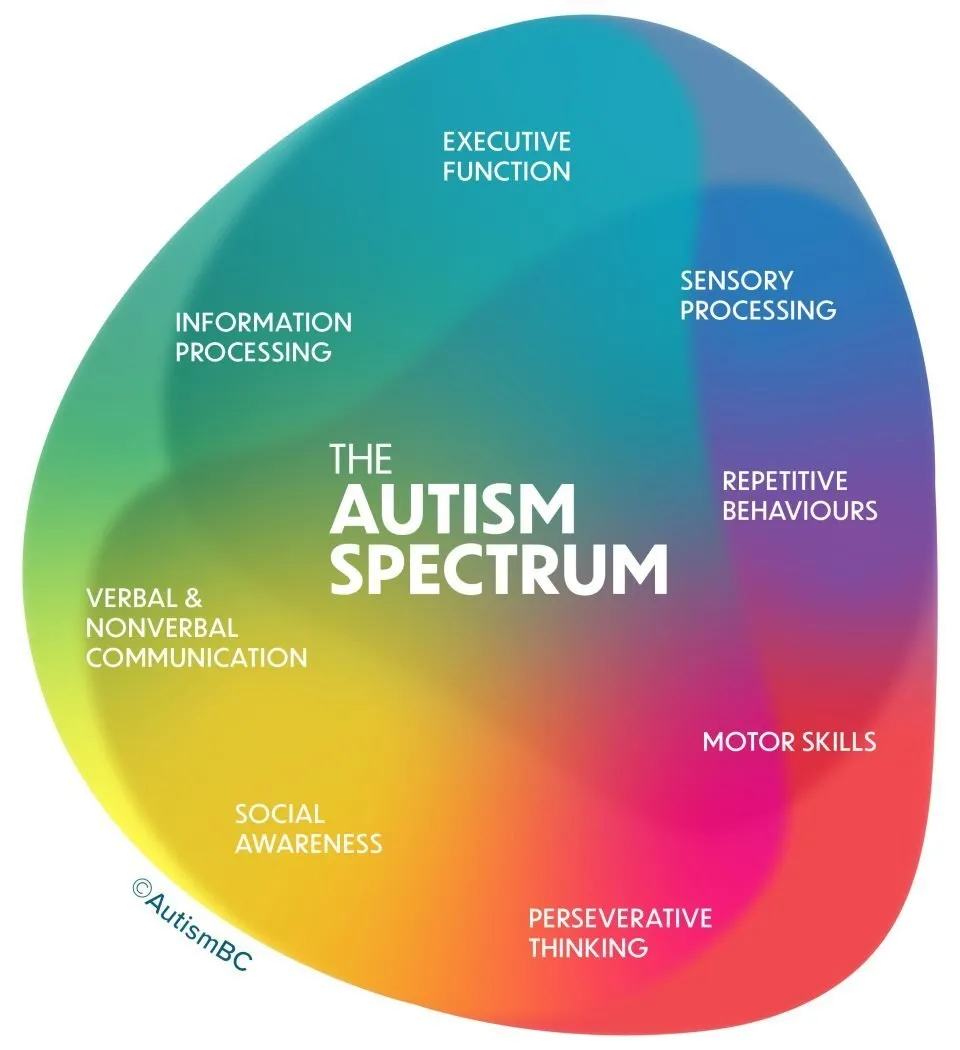
Common Early Signs of Autism in Self‑Regulation‑Challenged Toddlers
Sensory Sensitivities and Over‑Reacting
A toddler who is hypersensitive to sounds, lights, or textures may:
- Cover ears and flinch at everyday noises. Avoid certain foods or clothing because of texture. Show extreme discomfort when touched unexpectedly.
These reactions can be mistaken for a “big kid” Echolalia attitude, but when they’re consistent and intense, they’re a red flag.
Social Interaction Challenges
- Limited eye contact: A child may look away when a parent speaks. Difficulty sharing: They might refuse to play with others, even when invited. Repetitive play: Repeating the same action over and over, like spinning a toy, can signal a need for predictability.
Communication Hurdles
- Delayed speech: No babbling or simple words by 18 months. Receptive language gaps: Struggling to follow simple directions. Non‑verbal cues: Using gestures or facial expressions that are hard to interpret.
When a toddler’s communication and self‑regulation are both lagging, it’s a strong indicator that professional guidance may be warranted.
The Role of Play and Routine
Play as a Diagnostic Window
Play is the toddler’s laboratory. During free play, subtle clues emerge:
- Rigid play patterns: Repeating the same activity without variation. Avoiding new toys: Showing disinterest in unfamiliar objects. Sensory avoidance: Not touching or exploring toys that make noise or have bright colors.
Observing these behaviors can help caregivers spot early autism signs before they become more entrenched.
Routines and Predictability
A predictable daily schedule provides a safety net for children who struggle with self‑regulation. A simple chart with pictures can:
- Reduce anxiety by showing what comes next. Offer a visual cue for transitions. Give the child a sense of control.
If a toddler reacts strongly to a change in routine, it may be a sign of sensory overload or difficulty adjusting to new contexts.
When to Seek Professional Guidance
Red‑Flag Checklist
- Persistent tantrums that last longer than 30 minutes and are hard to soothe. Avoidance of eye contact or social interaction beyond typical toddler levels. Limited language after 18 months. Sensory overload that leads to extreme distress.
If several of these points resonate, it’s time to consider an evaluation.
What to Expect from an Evaluation
A comprehensive assessment usually involves:
- Developmental screening by a pediatrician. Speech and language evaluation. Behavioral observation in a controlled setting. Parent interviews to gather detailed history.
The goal is to create a tailored support plan that addresses both developmental needs and self‑regulation strategies.
Supporting Your Toddler at Home
Practical Strategies for Self‑Regulation
- Create a calm corner with soft lighting, stuffed animals, and soothing music. Use visual timers to show how long a task will take. Offer sensory tools like fidget spinners or textured blankets. Model calm breathing: Take a deep breath together when the child feels upset. Celebrate small victories: Praise the child for staying calm or following a routine.
Creating a Calm Environment
- Limit loud noises during nap time. Use muted colors in the bedroom to reduce overstimulation. Keep a consistent bedtime routine: Brush teeth, read a story, dim lights.
When the environment is predictable, the child’s internal thermostat can work more effectively.
A Light‑Hearted Take: Humor as a Tool
Anecdote: One day, my niece tried to “talk” to her stuffed giraffe using a serious, deep voice. She whispered, “You’re going to get a haircut, Giraffe!” The giraffe, of course, didn’t respond. We all laughed, and she realized that sometimes the best way to get a giggle is to treat the situation like a silly game. That moment reminded us that humor can ease tension and help a child feel safe enough to experiment with new emotions.
Funny Quote
> “The greatest gift you can give a child is the freedom to be a mess.” – Unknown
This quote captures the idea that allowing a toddler to make mistakes—without judgment—encourages learning and growth.
Final Thoughts: Empowering Parents
Recognizing autism early signs in toddlers who have difficulty with self‑regulation is the first step toward meaningful support. It’s not about labeling a child, but about understanding their unique needs and providing the right tools. By observing behavior, https://jsbin.com/jicubaqahe maintaining consistent routines, and seeking professional help when necessary, parents can help their toddlers navigate the stormy seas of early childhood.
Remember, you’re not alone. Reach out to pediatricians, speech therapists, or local support groups. And if you ever feel overwhelmed, take a moment to breathe, maybe even laugh at that giraffe’s silent response. Your calm presence is the anchor that will keep your child steady as they grow into their own, wonderfully unique self.